Sign in
 Sign up




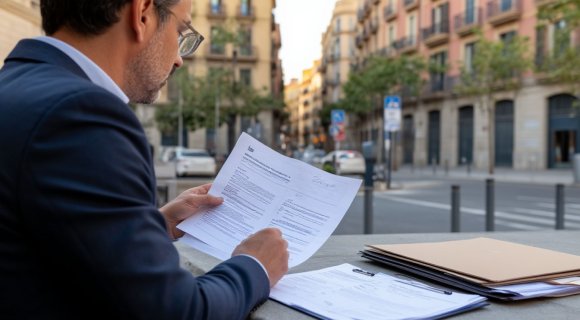
Can a foreigner buy property in Barcelona and what documents are required? Step-by-step process of buying real estate in Barcelona: documents, costs and specific features of transactions for foreigners.
Property purchase and registration in Barcelona is allowed for foreign citizens as private owners. They are entitled to:
- buy and register a property in the Property Registry (Registro de la Propiedad),
- manage property in Barcelona as they wish, such as renting it out, selling it or bequeathing it;
- obtain a mortgage loan from a Spanish bank, although the terms will be stricter than for residents (higher interest rates and larger down payments).
The requirements for foreigners to buy property in Barcelona are minimal. one of the main steps is obtaining a foreigner’s tax identification number (NIE). It is also advisable to open a local bank account for financial transactions, tax payments and other expenses.
Content
Market overview
Spain ranks among the top five destinations for foreign investors. In the first half of 2025, the leading nationalities among non-resident property buyers were citizens of the UK, Morocco and Germany.
Key figures for the province as of November 2025:
- The average price per square metre is EUR 3,084.
- Since October, average prices have increased by 2%.
- Year-on-year price growth has been 10.8%.
In the capital of Catalonia, average property prices reached a record EUR 5,089 per square metre.
The region's attractiveness to foreign investors is driven by a steady rise in prices over the past five years, a stable economic environment and the absence of restrictions on private ownership non-residents.
Acquisition of property in Barcelona as a foreigner: pros and cons
| Pros | Cons |
|---|---|
| High quality of life: pleasant climate, more than 300 sunny days a year, clean beaches, nature, rich culture, European healthcare and education and convenient infrastructure. | Strict urban planning rules: historic buildings often require permits for repairs or renovations and structural changes are limited. |
| Wide property selection: from historic apartments in the Gothic Quarter to modern flats and townhouses. It’s suitable for living, renting or resale. | Short-term rental restrictions: obtaining a tourist license is difficult in some central districts. |
| Opportunity to buy off-plan at lower prices with flexible installment plans and high price growth potential upon completion. | Non-residents typically receive lower LTV ratios and higher mortgage rates. |
| Property management, realtor and legal services allow foreign investors to earn without being physically present in the country. | Taxes, transaction fees and annual charges reduce the net rental yield. |
| Potential for passive rental income. In Q3 2025, the average gross yield for apartments was 7.17%. For comparison, 10-year government bonds yielded just 3.3%. | Since April 2025, foreign buyers can no longer obtain a residency visa by purchasing property, though other residence options are available. |
Top 8 districts in Barcelona for living and relocation
- Eixample is lively and central, with modernist architecture (Casa Batlló and Sagrada Familia). Ideal for those seeking city-centre living with excellent transport.
- Gràcia is cosy and village-like, full of squares, cafes and a bohemian vibe. It’s perfect for young families and creatives.
- Sarrià-Sant Gervasi is green and prestigious, quiet and family-oriented, with good schools and quality infrastructure.
- Poblenou is a former industrial area along the coast, now full of business centres and modern housing. Great for IT professionals wanting beach access and contemporary living.
- El Born is historic, with narrow streets, stylish bars and trendy boutiques.
- Sant Antoni is a quiet residential area with a popular market and many restaurants. It’s a favourite among young expats thanks to the excellent public transport.
- Les Corts is calm and convenient for families and office workers. It’s known for the massive Camp Nou football stadium.
- Sants is a major railway hub with great infrastructure and more affordable housing. It’s ideal for quick metro and train access.
-
€ 465 000
- USD $
- RUB ₽
- NOK kr
- GBP £
- EUR €

-
€ 450 000
- USD $
- RUB ₽
- NOK kr
- GBP £
- EUR €
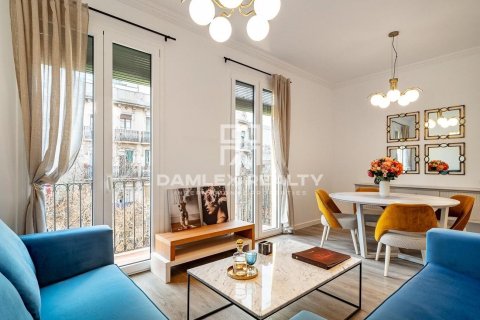 Bedrooms: 2Bathrooms: 1Living space: 71 m²
 -
€ 630 000
- USD $
- RUB ₽
- NOK kr
- GBP £
- EUR €


Step-by-step process of buying property
-
Preparation and market research
Define your budget, preferred district and property type. Research prices and local infrastructure. Decide whether you need a mortgage and seek pre-approval if needed.
-
Obtain an NIE and open a Spanish bank account
-
Choose a suitable property
Use the Barcelona.RealEstate aggregator, which features listings from various sellers. Contact the seller to schedule a viewing and discuss the price and conditions.
-
Reservation
Sign a deposit agreement (Contrato de arras), in which the buyer pays a deposit (typically 5 to 10% of the purchase price) and the seller agrees to reserve the property.
If either party breaches the contract, the deposit is either returned in double or retained by the seller.
-
Legal check (due diligence)
A lawyer verifies ownership, ensures no debts (municipal tax, utilities and mortgage) and checks the Property Registry, licenses and energy certificate.
-
Final stage
Sign the purchase deed (Escritura de compraventa) with a notary and transfer the remaining amount to the seller.
-
Registration of the new owner
Register the new ownership in the Spanish Property Registry (Registro de la Propiedad). Also handle utility contract transfers, purchase insurance and register for tax if needed.
Costs of buying property in Barcelona
For resale houses or apartments in Barcelona, buyers must pay a Property Transfer Tax (ITP) within 30 days of signing the contract. In Catalonia, the rate is 10 to 13% of the property's price.
For new builds, the buyer pays Value-Added Tax (IVA) and stamp duty (AJD). The current rates are 10% and 3.5%, respectively.
Other expenses:
- Notary fees are typically EUR 600 to EUR 1,200 depending on the property value and contract length.
- Property registry fee is EUR 400 to EUR 700.
- Legal fees (if applicable) are about 1 to 2% of the purchase price.
- Bank service fees are up to 0.5% of the transaction amount.
- Mortgage-related costs:
- Approximately EUR 500 for property appraisal (tasación)
- Approximately 1% mortgage commission
- Additional charges and rate markups vary individually
Documents for buying property in Barcelona
- Mandatory documents:
- Passport (original and copies)
- NIE
- Contact details and current foreign address
- Banking and payment information:
- Spanish bank account
- Bank card/account details and SWIFT/IBAN codes
- Proof of funds (required by banks and notaries for anti-money laundering compliance):
- Bank statements
- Income certificate from employer
- Contracts for sale of assets, inheritance, gifts, etc.
Note: foreign documents (certificates and income confirmations) often require translation into Spanish or Catalan and an apostille.
Obtaining an NIE
The NIE (Número de Identificación de Extranjero) is a mandatory ID number for foreigners used in contracts, taxes and banking. You can obtain it from the police in Spain or through a consulate. It can also be arranged via a legal representative with power of attorney.
What you need to obtain an NIE:
- Completed and signed application
- Original passport or notarised copy (for applications via a representative)
- Proof of residence within a specific consular district
- Payment receipt of the administrative fee (as of 2025, it is EUR 9.84)
The NIE is usually issued within 2 weeks. The document is sent by email, so be sure to provide the correct email address.
Mortgage for foreigners in Barcelona
Both residents and non-residents can apply for mortgages with Spanish banks, although terms differ. Non-residents are generally able to borrow up to 70% of the property's value, while residents may be granted up to 80%.
Banks typically request the following:
- Passport
- NIE
- Income proof from the last 2 months (salary slips, freelancer declarations or other sources)
- Tax returns for the past 2 years
- Employer certificate stating job title, contract type, length of employment and salary for the past year
- Credit report from your home country
- Bank statements from the past 6 months
- For entrepreneurs: company profit/loss report, annual tax returns and bank summary for the past two years
- If you already have a mortgage, you need the last two payment receipts
Additional documents may be required. If you're unfamiliar with Spanish banking, it's best to work with a local mortgage broker.
Hidden pitfalls of buying property in Barcelona as a foreigner
Below are some potential pitfalls that foreigners may encounter when purchasing property in Barcelona for relocation or investment purposes.
- Legal risks
-
Unpaid mortgage, liens, seizures and litigation.
Advice: Request the land registry extract (nota simple) and have a lawyer conduct due diligence.
-
Unregistered remodeling.
Advice: Compare the cadastral record with the actual condition. If you’re unsure, request a technical inspection.
-
- Technical risks
-
Hidden defects like damp, electrical or heating issues.
Advice: Commission a technical inspection.
-
Restrictions on renovation and facade changes.
Advice: Check the urban planning status of the building.
-
- New build risks
-
Developer bankruptcy or project delays.
Advice: Check the developer’s financial health and demand a bank guarantee on your deposit and work completion.
-
- Mortgage risks
-
Appraised value (tasación) may be lower than the agreed price, reducing the loan size.
Advice: Work with a mortgage broker.
-
Barcelona.RealEstate is a real estate aggregator featuring listings from verified developers and agencies. The website offers commercial properties, apartments and villas in Barcelona. Submit a request to start searching for your ideal property today.
Frequently Asked Questions
Use the Barcelona.RealEstate aggregator. It allows you to compare similar properties by price per square metre, condition, location, amenities and other factors.
Tips for effective searching:
- Define your criteria, such as neighbourhood, budget, property type (new or old), desired size and number of rooms.
- Use filters: price, district, property type, number of bedrooms, floor, etc. This will quickly eliminate unsuitable options.
- Review property cards: check photos, floor plans, descriptions, technical details and the seller or developer’s information.
- Leave your contact information so you can speak with the seller and clarify the deal specifics. Ask the agent about rental licenses (for rental business) and required certificates (energy certificate and renovation permissions).
- Specialists will handle online and offline viewings, document verification, transaction support and contract signing.
No. This document is mandatory to register property ownership in Spain.
The list can vary depending on the case. Common specialists include:
- realtor
- lawyer (for due diligence)
- notary
- technical inspector
- appraiser and mortgage broker (if financing is needed)
- tax consultant
- administrative agent (gestor) to help with NIE, tax registration and paperwork
- translator or certified interpreter for translating and legalising documents
Reputable agencies often offer full-service support, so you won’t need to search for individual experts.
Find a trustworthy agency and agree on remote property support. Let them conduct all the needed legal and technical checks. Issue a limited power of attorney via a notary so they can sign the purchase contract on your behalf. Use a bank transfer to make payment.
- Purchase tax: 10 to 13% of the transaction amount
- Notary services: EUR 600 to EUR 1,200
- Property registry fee: EUR 400 to EUR 700
- Legal services (if needed): about 1 to 2% of the purchase price
- Bank commission: around 0.5% of the payment amount
Yes, but under stricter conditions than residents. There are lower loan amounts, higher rates and more thorough approval checks.
- Investors looking to rent
- Pros: high demand and stable returns.
- Look for areas with good transport and schools.
- Consider taxes and maintenance costs.
- Families with children
- Pros: excellent schools and universities, pleasant climate and coastal living.
- Choose homes near schools and parks; quiet areas like Gràcia, Sarrià-Sant Gervasi and Les Corts are ideal.
- Expats relocating for permanent residence
- Pros: a great base for work, a multicultural environment and a high quality of life.
- Retirees or those seeking a second home
- Pros: climate, services, public transport, healthcare and cultural life.
- Flippers
- Older apartments in historic areas can be renovated and resold for profit.
- In optimal scenarios, flipping yields can reach up to 27%.